The Pandemic of Betting in Nigeria: A Financial and Social Analysis
Introduction
Across Nigeria, a silent pandemic is spreading—not biological, but behavioral and economic. Sports betting, once a niche pastime, has evolved into a pervasive national phenomenon, deeply embedded in youth culture and urban life. Fueled by technology, economic hardship, and global sports influence, betting is no longer just entertainment; it is increasingly seen as a financial strategy—albeit a dangerous one.
The Perfect Storm: Technology, Youth, and Access
One of the most critical drivers of this surge is mobile technology. Today, 8 in 10 young Africans own mobile phones, creating unprecedented access to online betting platforms.
With just a smartphone, a data connection, and a few taps, millions of young Nigerians can place bets anytime, anywhere. This ease of access has removed traditional barriers and normalized betting as part of daily life.
Football: The Engine of Betting Culture
The obsession with European football has become a powerful catalyst. The English Premier League, UEFA Champions League, and other top competitions command massive followings in Nigeria.
Compounding this is the fact that many European football clubs are sponsored by betting companies. Logos of betting firms are prominently displayed on jerseys, stadium banners, and broadcast ads—embedding betting into the football experience.
A Booming Industry
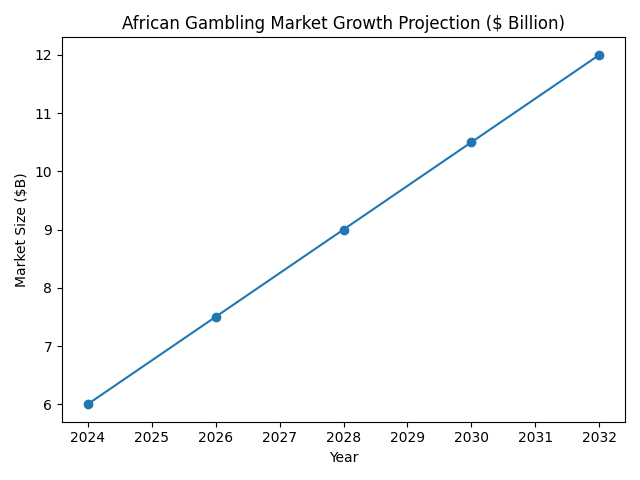
Financially, the betting industry in Africa is expanding at a staggering rate. The gambling market is currently valued at approximately $6 billion and is projected to double by 2032.
Within Nigeria alone, there are more than 30 registered betting firms, competing aggressively through promotions and targeted advertising.
Market Growth Projection
The Poverty Factor: Betting as a Survival Strategy
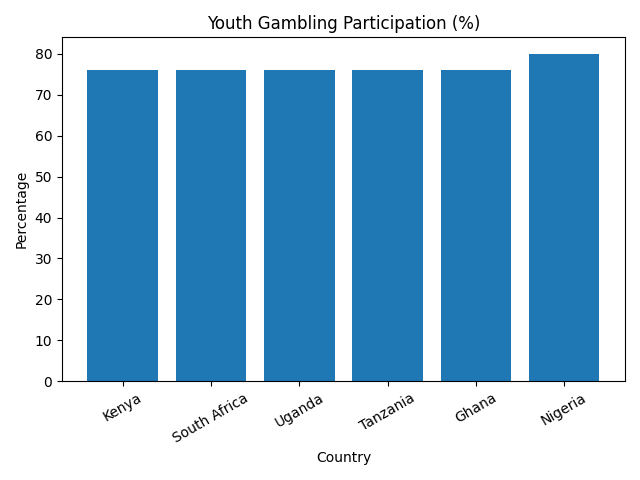
A cross-country study found that 76% of youth in Kenya, South Africa, Uganda, Tanzania, and Ghana have gambled, with Nigeria recording some of the highest participation levels.
The primary reason cited is poverty.
For many young Nigerians, betting is perceived as a “quick rich scheme”—a risky alternative in the absence of stable income opportunities.
Youth Gambling Participation
Weak Regulation and Market Exploitation
While betting is legal in Nigeria, betting firms often take advantage of weak or inconsistent regulations.
This leads to:
- Aggressive advertising
- Underage access
- Limited consumer protection
The Significance of Football Gambling
Football gambling has evolved into a major socio-economic activity:
- Economic Participation: Creates jobs in betting shops and digital platforms
- Psychological Engagement: Deepens emotional investment in sports
- Government Revenue: Generates taxes and licensing income
- Digital Inclusion: Encourages fintech and online payment adoption
The Dangers of Betting
1. Financial Loss and Debt
Most bettors lose money over time, often falling into cycles of repeated losses.
2. Addiction
Betting can become compulsive, driven by dopamine and emotional highs.
3. Mental Health Issues
Losses can lead to anxiety, depression, and extreme emotional distress.
4. Productivity Decline
Time spent betting reduces focus on education, work, and skill-building.
5. Distorted Financial Mindset
It promotes luck-based thinking over discipline, work, and long-term investment.
Conclusion: A Crisis Demanding Attention
The rise of betting in Nigeria is not merely a trend—it is a structural issue at the intersection of technology, poverty, and globalization.
Addressing this crisis requires:
- Stronger regulation
- Public awareness campaigns
- Youth employment initiatives
- Financial literacy education
Without intervention, betting risks becoming a generational trap—where hope is replaced by odds, and ambition by chance.